Memory · History · Fairness

A Farmer's Son Remembers the Grain Tax

Farmers fed the nation with their grain and sweat.
农民用粮食与汗水养活了国家,他们不应被遗忘。

The History of Public Grain
交公粮的苦难历史

A system that fed a nation — yet left deep marks on rural families.
一项养活了国家的制度,却在农村家庭留下沉重记忆。

English

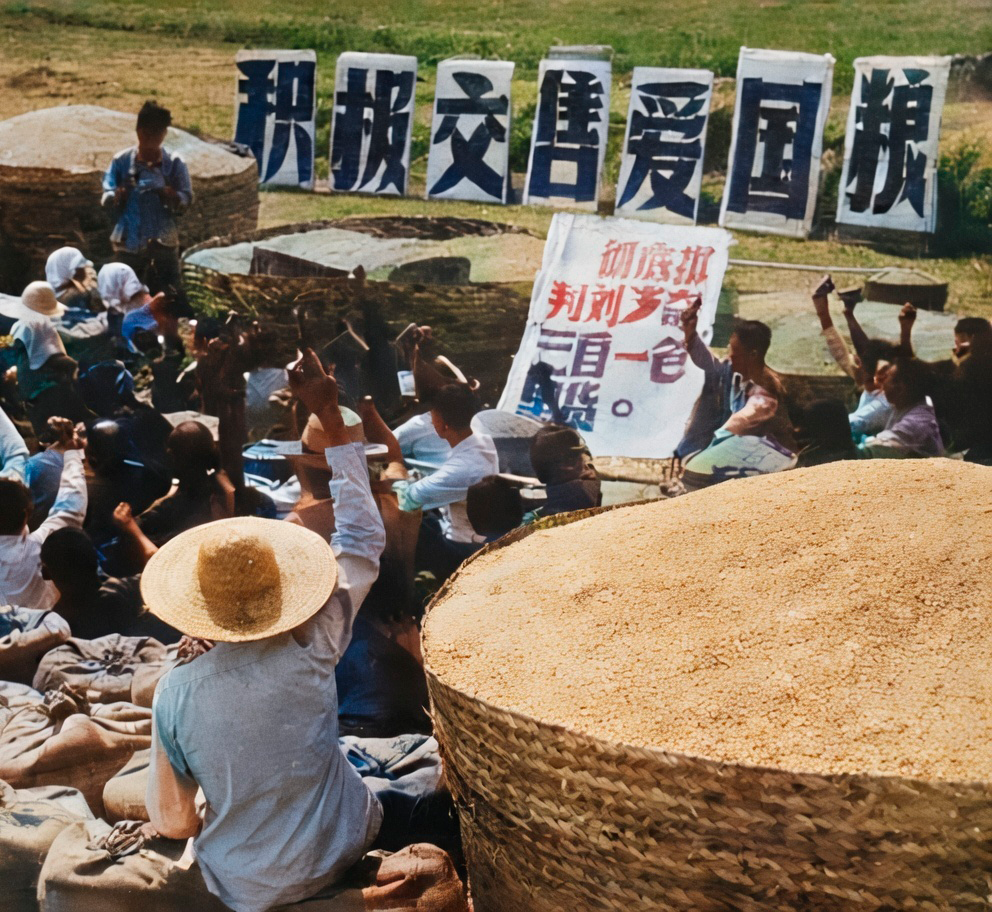
Delivering public grain was the practice in which farmers handed over a portion of their harvest to the state free of charge. In essence, it was an agricultural tax paid in grain.

After liberation, with low productivity and no money to import food, public grain fed workers, soldiers, cadres, and city residents — a contribution of immense historical significance.

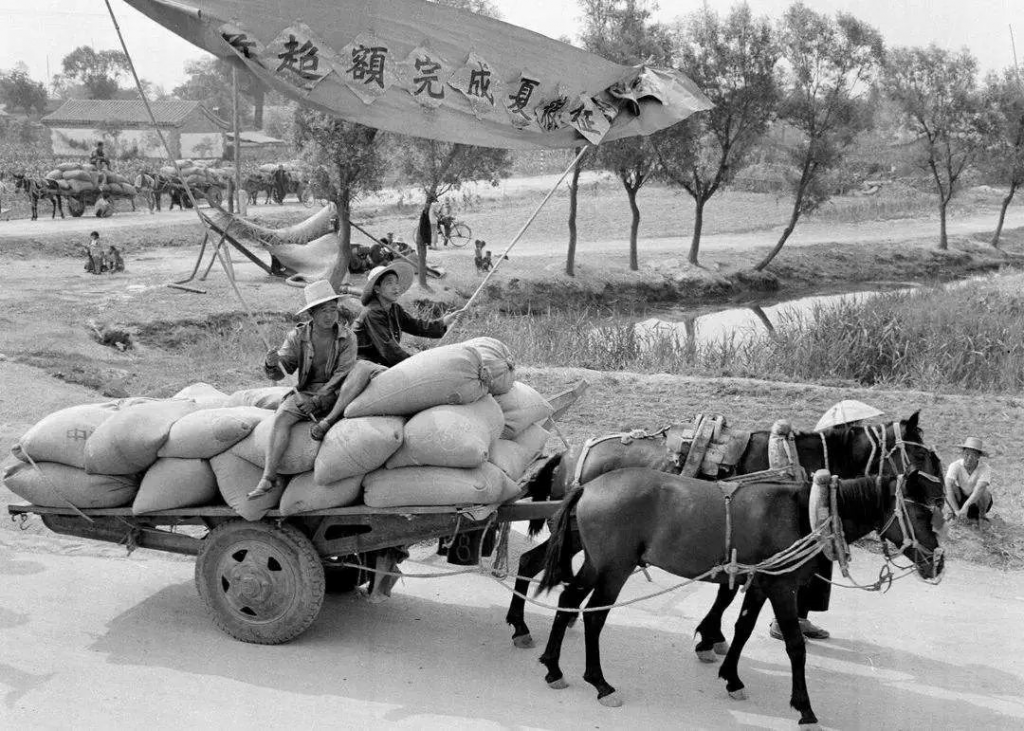
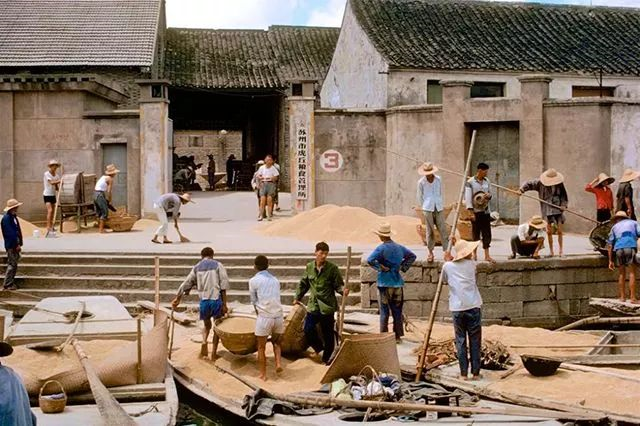
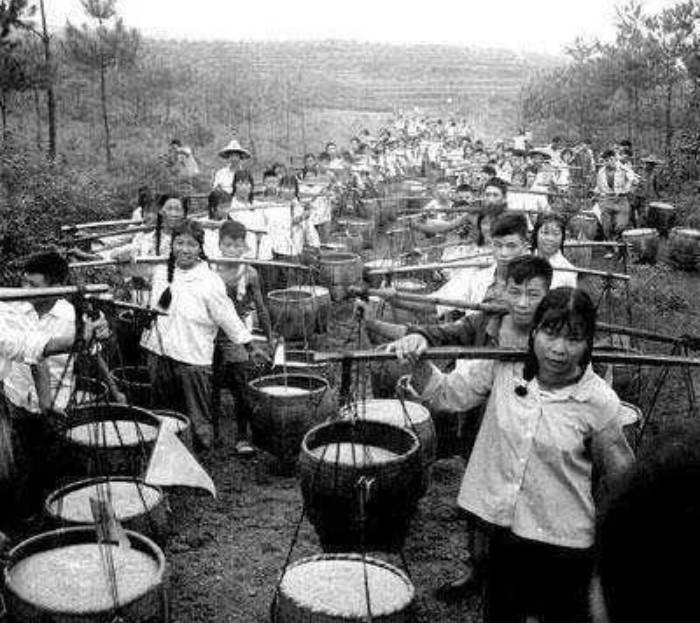
Farmers often had to deliver 100–200 jin per mu. In bad harvest years, they borrowed from neighbors to meet the quota. Grain had to be meticulously dried and cleaned; any moisture or impurity meant rejection and another long journey.

From 1949 to 2000, farmers delivered over 700 billion kilograms of grain. The system finally ended when agricultural tax was fully abolished on January 1, 2006.

Today, those who carried those heavy loads for decades are elderly. Many still face low pensions and difficult living conditions.

中文

交公粮,是指农民将收获的粮食按国家规定标准无偿上交给国家。本质上是“以粮代税”的农业税。

新中国成立初期,生产力低下、粮食短缺,全靠亿万农民交出的公粮,养活了全国各行各业,意义重大。

那时种一亩地往往要交 100–200 斤粮食。收成不好时,农民需借粮凑数。粮食必须反复晾晒、筛选,否则会被拒收,只能挑回家重新处理。

1949–2000 年间,农民累计上交粮食超过 7000 亿公斤。2006 年 1 月 1 日,农业税全面取消,结束了这一延续两千多年的制度。

如今,那些肩挑手扛了几十年的农民已经年老体衰,许多人仍面临养老金水平低、生活艰难的现实。
My Personal Memory · 我的故事

From history to one family’s lived experience.
从宏大历史,到一个农村家庭的真实记忆。

English

I am a farmer's son from rural China. I grew up in the countryside in the late 1980s and early 1990s.

Before sunrise, families would select the best grain from their harvest, pack it into sacks, and haul it to the state grain station.

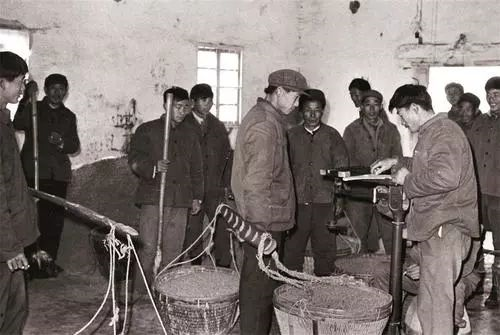
There, farmers waited in long lines while officials pushed metal probes into the sacks to inspect the grain. If it was rejected, the grain had to be taken home, dried, cleaned, and brought back again.

Farmers also provided unpaid labor to build roads, reservoirs, irrigation systems, and flood-control projects. This was not rare. It was a shared experience for millions of rural families.

中文

我是中国农村一个农民的儿子。我成长于上世纪八十年代末、九十年代初的农村。

天还没亮,一家人就从收成里挑出最好的粮食,装进麻袋,挑到粮站去交公粮。

到了粮站,大家要排很长的队。工作人员会把铁戳子扎进麻袋里检查粮食质量。若是不合格,农民只能把粮食再挑回去,重新晾晒、挑拣,然后再来排队。

除了交公粮,农民还常常要出义工,修道路、修水库、修堤坝。这不是个别经历,而是那个年代千千万万农村家庭共同的记忆。

If officials can receive “deemed contributions,” why can't farmers' grain and labor be recognized too?

如果公务员可以“视同缴费”,为什么农民当年交的公粮和出的义工,不能被视作一种历史性的缴费记录?

The Reality in 2026 · 2026年的现实

These figures show why memory and present-day social protection need to be discussed together. 这些数字说明,历史记忆与当下保障现实,应该被放在一起看。

1.8 Billion
People Receiving Urban-Rural Resident Basic Pension

Approximately 1.8 billion people receive the urban-rural resident basic pension, with the majority being farmers.
约1.8亿人领取城乡居民基础养老金,其中农民占多数。

+20 Yuan (~$2.90)
2026 Increase in National Minimum Basic Pension

In 2026, the national minimum standard for basic pension rises by another 20 yuan (≈ $2.90), reaching 163 yuan (~$23.60) per month.
2026年全国最低标准再提高20元(≈$2.90),达到163元(≈$23.60)/月。

20x–30x+
Gap Between Urban-Rural Resident Pension and Civil Servant/Institutional Pension

Range depends on metric:
• Avg. urban-rural resident pension ≈287 yuan (~$41.60)/month → ≈20x gap
• Basic rural pension ≈200 yuan (~$29)/month → ≈30x+ gap

差距取决于口径:
• 城乡居民平均养老金 ≈287元(≈$41.60)/月 → 约20倍
• 农村基础养老金 ≈200元(≈$29)/月 → 约30倍+

Data from government reports and media (2025–2026). Exchange rate ≈6.90 CNY/USD as of March 2026.
数据来源:政府报告及媒体(2025–2026年)。汇率≈6.90元/美元(2026年3月)。

A Visible Gap · 一眼可见的差距

The contrast below is intentionally simple: the chart uses the average monthly level for urban-rural resident pensions versus the average monthly level for civil servant/public institution pensions. 下图用最直观的方式展示城乡居民养老金平均水平与体制内(机关事业单位)退休待遇之间的悬殊差距。

Resident Pension
城乡居民基础养老金以低水平广覆盖为主,领取者中老年农民占多数。
Civil Servant / Public Institution Pension
机关事业单位退休待遇整体水平明显更高,形成了巨大的制度与待遇落差。

来源:政府工作报告、人社部及媒体报道(2026 年 3 月)

Why This Matters · 为什么重要

This is not only about money. It is also about fairness, recognition, and dignity. 这不仅是养老金问题,也关乎公平、承认与尊严。

⚖️

Fairness · 公平

When one kind of contribution is recognized but another is forgotten, a question of fairness naturally arises. 当一种付出被承认、另一种付出被遗忘时,公平问题就会出现。

📜

Historical Memory · 历史记忆

The experiences of rural families should not disappear from public memory. 农村家庭的经历不应从公共记忆中消失。

🌾

Respect · 尊重

Those who fed the nation deserve to be remembered with dignity. 那些养活国家的人,应当被有尊严地记住。

What I Hope People Will Notice · 我希望人们关注什么

A calm appeal can often travel further than a shout. 稳定而克制的呼吁,往往比激烈的口号传播得更远。

👴

Elderly Farmers · 老农保障

At the very least, elderly farmers deserve serious public attention and stronger basic protection in old age. 至少,老农的基本养老保障值得被更认真地关注。

🧭

Honest History · 诚实面对历史

This is not about erasing history, but about facing it more honestly. 这不是要忘记历史,而是要更诚实地面对历史。

🤝

Shared Memory · 集体记忆

Many families remember the same scenes. Their voices matter. 很多家庭都记得类似场景,这些声音值得被看见。

Those grain bags were farmers' pension contributions.
那些被铁戳子扎过的粮袋,其实就是一代农民的缴费记录。

Share Your Grain Tax Memory · 讲出你的公粮记忆

Turn a single story into a shared archive. 把个人故事变成一份集体记忆档案。

What to share · 可以分享什么

Did your family also deliver public grain? Do you remember the grain station, the inspections, unpaid labor, or the feeling of those years?

你的家庭也交过公粮吗?你是否还记得粮站、铁戳子检查、义工修路修水库,或者那个年代的感受?

  • Your province or hometown · 你的省份或家乡
  • Your memory of delivering grain · 你对交公粮的记忆
  • What your family lost or endured · 你的家庭承受了什么
  • Whether you want to remain anonymous · 是否匿名
Privacy note · 隐私提示
Please avoid submitting sensitive personal information. You may use a nickname or remain anonymous. Submissions may be edited for clarity before any public display.

请不要提交敏感个人信息。你可以使用昵称,或选择匿名。若将来公开展示,内容可能会在不改变原意的前提下做文字整理。

Form Embed · 表单嵌入

Replace the placeholder below with your Google Forms or Typeform embed code. 把下面的占位区域替换为你的 Google Forms 或 Typeform 嵌入代码。